Tag Archives: men
Massage and Wellness for Gay Men in Chicago: Finding Connection, Recovery, and Better Self-Care
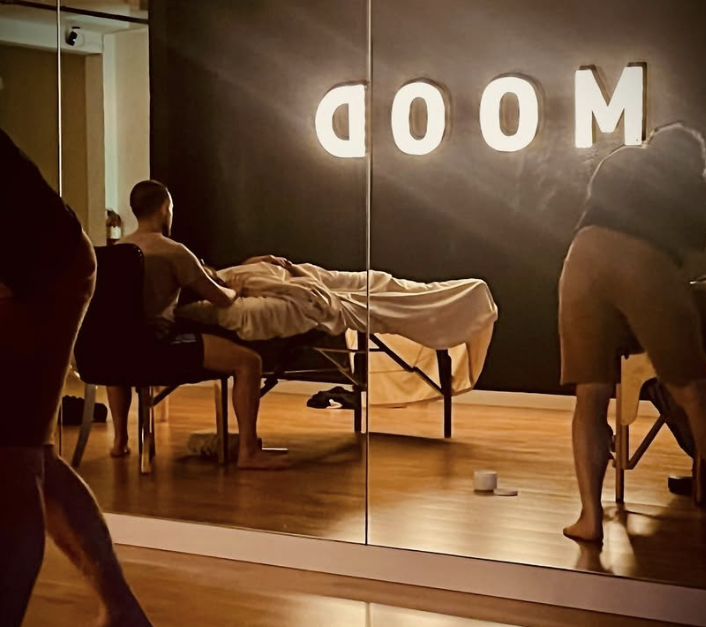
Chicago has one of the largest and most diverse LGBTQ+ communities in the United States, and the city’s wellness culture reflects that diversity. From traditional massage therapy and yoga to fitness, skincare, meditation, psychotherapy, and holistic bodywork, gay men in Chicago have access to an increasingly broad range of ways to take care of their physical and emotional health.
For many gay men, however, wellness is about more than simply booking a massage or joining a gym. Feeling comfortable with the practitioner, knowing that you will be treated without judgment, and being able to relax without having to explain your identity can significantly shape the experience.
That is one reason LGBTQ+-affirming wellness spaces and practitioners continue to matter.
Why Massage Can Be an Important Part of Gay Men’s Wellness
Massage is often associated with relaxation, but its role in wellness can go considerably further.
Chicago life can be physically demanding. Long commutes, desk-based jobs, winter weather, travel, workouts, and the general pace of a large city can all contribute to muscular tension and fatigue. Regular massage may help people address stiffness, recover after exercise, relax overworked muscles, and simply create dedicated time away from screens and daily responsibilities.
Different practitioners may specialize in Swedish massage, deep-tissue techniques, sports massage, myofascial work, stretching, relaxation-focused treatments, or other forms of bodywork.
For someone searching for gay massage in Chicago, finding a practitioner who is comfortable working with LGBTQ+ clients can also remove some of the uncertainty that sometimes accompanies choosing a new therapist.
The goal should ultimately be a professional relationship in which boundaries, expectations, preferences, and the purpose of the session are communicated clearly.
The Value of LGBTQ+-Affirming Care
A wellness practitioner does not necessarily need to be LGBTQ+ themselves to provide excellent care. What matters is whether their practice feels respectful, inclusive, and knowledgeable.
Still, many gay men actively seek LGBTQ+ practitioners or professionals who specifically advertise themselves as LGBTQ+-affirming.
There are several reasons for this.
Some people simply feel more relaxed knowing they are unlikely to encounter awkward assumptions about their partner or personal life. Others may want to discuss body image, relationships, sexuality, stress, or health concerns without wondering whether the practitioner will understand the cultural context.
Comfort has practical consequences, too. Massage works best when a client can actually relax rather than remaining guarded throughout the session.
An inclusive environment can therefore be more than a social preference. It can influence the overall quality of the wellness experience.
Wellness Beyond Massage
Massage may be one part of a much larger approach to wellbeing.
Chicago has an extensive fitness culture, including traditional gyms, personal trainers, boutique fitness studios, yoga teachers, running groups, cycling communities, and specialized strength and mobility programs.
For gay men, physical wellness can sometimes become tangled with appearance and body image. Chicago’s gay social scene is varied, but like many large LGBTQ+ communities, certain spaces can place considerable emphasis on physique, youth, and presentation.
A healthier approach to fitness focuses not only on appearance but also on strength, energy, mobility, cardiovascular health, confidence, and longevity.
Yoga and mobility work can complement massage particularly well. Where massage provides passive bodywork, yoga and stretching encourage people to develop greater awareness of their own movement patterns and muscular restrictions.
The combination can be especially useful for people who spend much of the day sitting or who train intensely several times per week.
Mental and Emotional Wellness Matters Too
Wellness cannot be separated neatly into physical and emotional categories.
Stress often shows up in the body. Shoulders tighten. Breathing becomes shallow. Sleep changes. People may clench their jaw, experience headaches, or notice persistent muscular tension.
At the same time, physical self-care can influence emotional wellbeing.
Massage, exercise, meditation, time outdoors, social connection, psychotherapy, and adequate rest can each contribute to a broader strategy for managing stress.
Gay and bisexual men can also face experiences that have particular relevance to mental health, including coming-out stress, family rejection, discrimination, relationship challenges, loneliness, body-image pressure, and navigating sexual identity.
Fortunately, Chicago has a substantial network of LGBTQ+-affirming therapists, counselors, coaches, support organizations, and community groups.
For some men, therapy becomes an important counterpart to physical wellness practices. Massage may help someone relax and reconnect with their body, while psychotherapy provides a structured environment for exploring emotional patterns, relationships, anxiety, trauma, or life transitions.
Neither needs to replace the other.
Chicago’s LGBTQ+ Geography Is Expanding
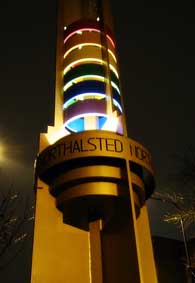
Historically, areas such as Northalsted—widely known as Boystown—and Andersonville have played particularly visible roles in Chicago’s LGBTQ+ life.
Today, LGBTQ+ residents live throughout the city and wider metropolitan area.
That geographic diversity is reflected in wellness services as well. A person searching for a therapist, massage practitioner, personal trainer, or yoga teacher may find options throughout Chicago rather than solely within traditional gay neighborhoods.
This matters because convenience is one of the most important but overlooked factors in maintaining a wellness routine.
The perfect massage therapist located an hour away may ultimately be less useful than a very good practitioner located twenty minutes from home or work.
Consistency usually beats ambition.
Choosing the Right Massage or Wellness Practitioner
Finding the right practitioner often involves a little experimentation.
Professional qualifications and experience matter, but so do communication style and personal compatibility. Before booking, look at how clearly a practitioner describes their services, location, rates, availability, and approach.
Photos, reviews, professional biographies, and client testimonials can also help create a clearer picture.
It is reasonable to ask questions before a first appointment.
You might want to know what style of massage they practice, whether they work with a particular injury or area of tension, whether sessions can be customized, and what you should expect during the appointment.
Boundaries should always be clear.
A professional massage practitioner should also be comfortable discussing pressure preferences, injuries, areas to avoid, draping, and anything else necessary for you to feel secure during the session.
Making Wellness a Routine Rather Than an Emergency
Many people seek massage only after something hurts.
Likewise, they begin exercising after feeling unhealthy, start meditating after becoming overwhelmed, or seek therapy only when a situation reaches a crisis point.
There is nothing wrong with responding to an immediate problem, but wellness tends to work better when it becomes preventive.
That does not mean booking expensive treatments every week.
A sustainable routine might involve a monthly massage, regular strength training, yoga once or twice a week, daily walking, occasional therapy sessions, adequate sleep, and time spent with supportive friends.
The right combination will look different for everyone.
The broader idea is to create a relationship with wellness that is ongoing rather than reactive.
A More Inclusive Vision of Gay Men’s Health
Gay men are not a single demographic with a single set of wellness needs.
Chicago’s LGBTQ+ community includes people of different ages, races, body types, professions, relationship structures, incomes, identities, and health histories.
Wellness should make room for that complexity.
For one person, self-care might mean training for the Chicago Marathon. For someone else, it could mean getting a massage after months of chronic tension. Another person may be looking for an affirming therapist, improving mobility, returning to yoga, or simply finding a practitioner with whom they finally feel comfortable.
The most useful wellness culture is therefore not one built around achieving a particular appearance.
It is one that helps people feel healthier, stronger, more comfortable in their bodies, more connected to themselves, and better equipped to participate in the lives they want to live.
In a city as large and varied as Chicago, there are many ways to begin.